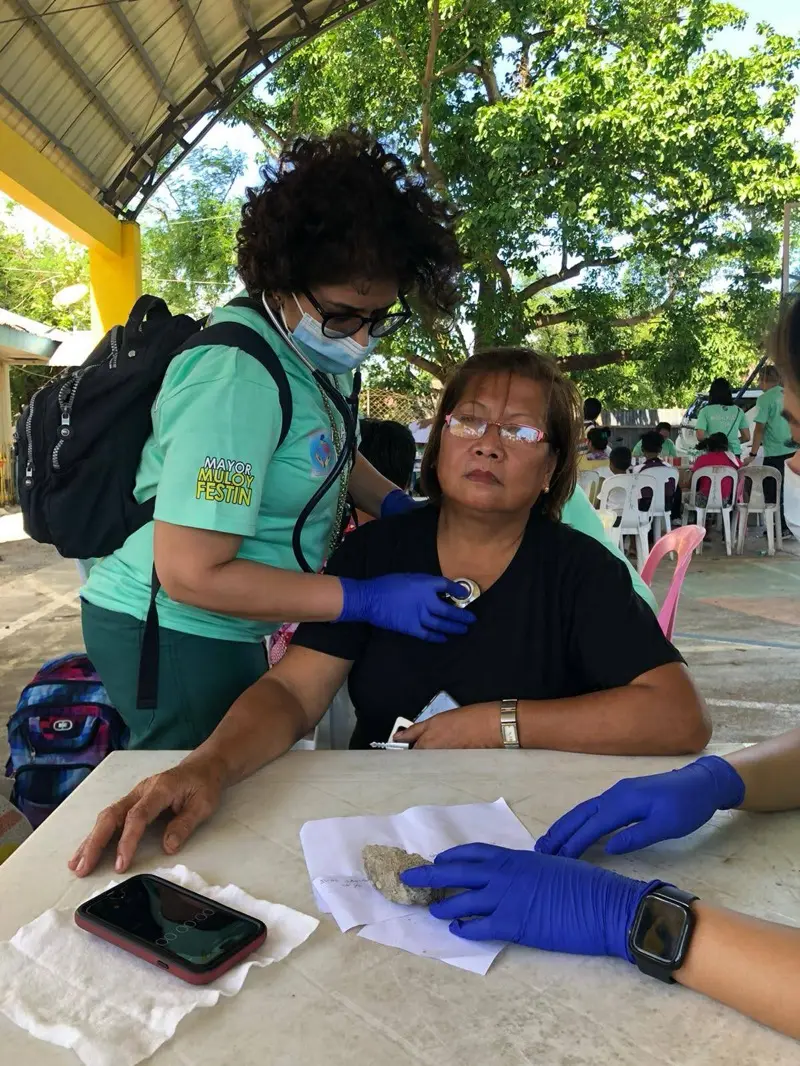
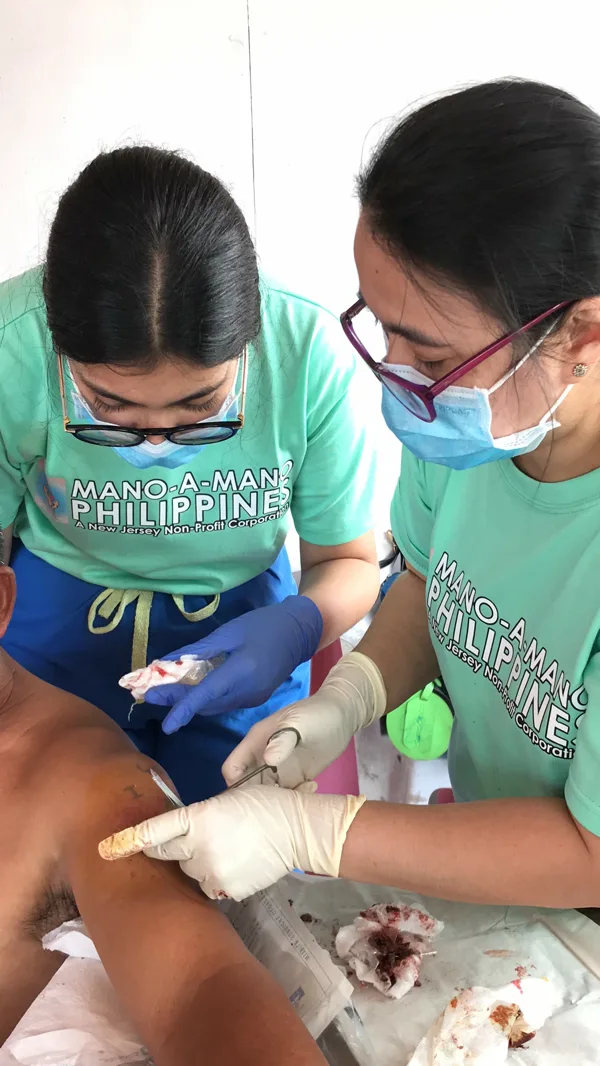
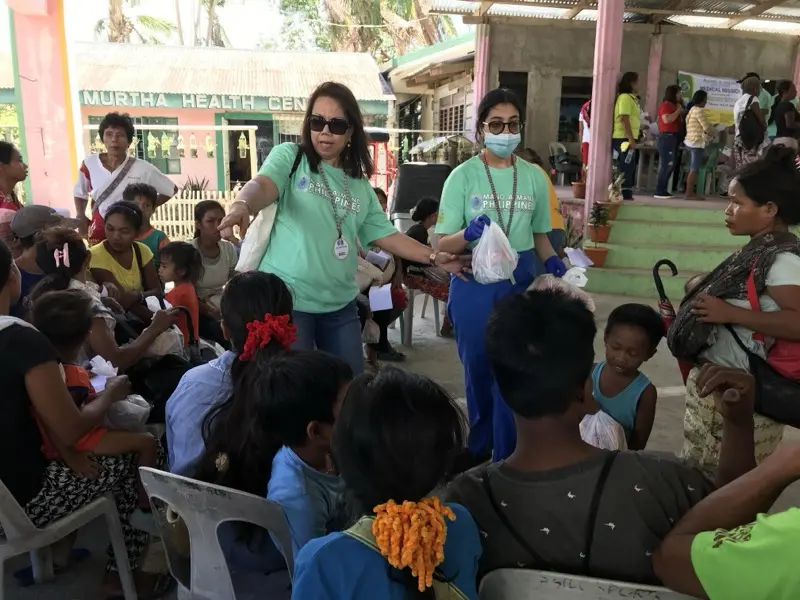
We launched a medical mission to support the Mangyan communities on Mindoro, Philippines, after a series of disasters threatened their health and survival. Deforestation weakened nutrition and livelihoods, flooding spread disease, and the eruption of Volcano Taal disrupted food access while ash worsened breathing problems. When COVID-19 reached the Philippines, it intensified the crisis even further.
In January 2020, the Volcano Taal eruption blocked travel routes to Mindoro, forcing us to find alternative routes via ferry and backroads. Just as we were ready to depart, COVID-19 spread to the Philippines. Despite these compounded crises, we decided to proceed with enhanced precautions and raised over $16,000 to bring essential medical care to remote villages. The mission moved forward with strict precautions to provide comprehensive health services, including support for respiratory illness, chronic conditions, infections, and nutritional needs.
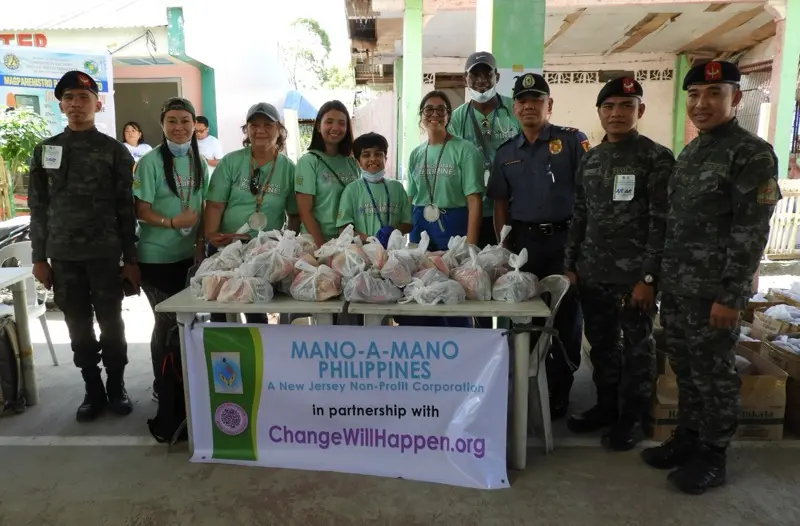
We prepared to provide comprehensive medical support for common high-impact needs in low-resource settings:
Support for malnourishment
Treatment for hypertension and diabetes
Care for breathing problems from volcanic ash
Treatment for abscesses and other infections
Support for visual impairment
Response to ash exposure and respiratory vulnerability
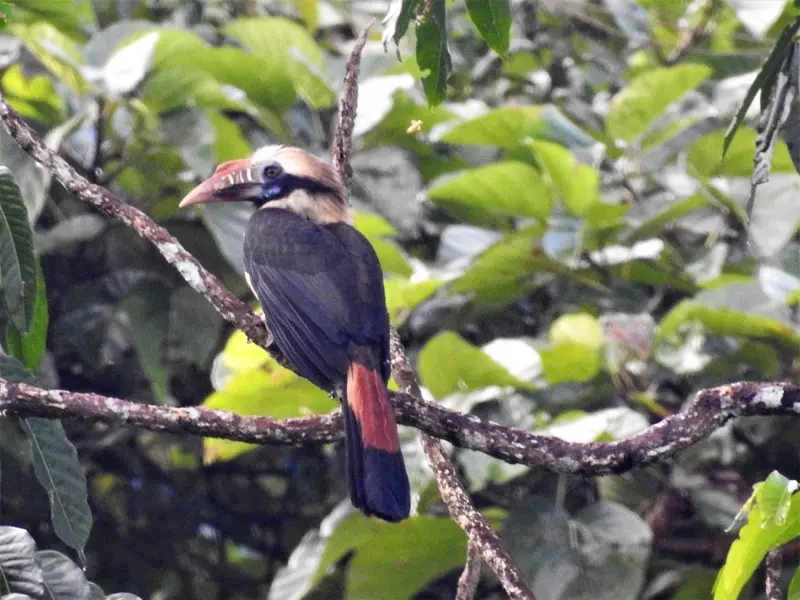
The Mindoro region is also home to unique and endangered wildlife that has been affected by the same environmental challenges. Deforestation has affected Mangyan nutrition and livelihoods, flooding has spread disease through communities, and habitat loss has threatened local wildlife species.
This tiny bird (only 10cm long) is endemic to Mindoro and classified as Vulnerable on the IUCN Red List due to habitat loss. The eruption of Volcano Taal has made conditions even worse, and limited research makes conservation harder.
Despite major disruptions and safety risks, the mission moved forward with added precautions and a revised travel plan, allowing care to reach communities that were increasingly cut off from resources. The project strengthened local support during a period of compounded crisis and demonstrated how rapid, organized response can deliver essential care even when conditions are unstable and access is limited. I couldn't have asked for a more rewarding experience.
Help us continue providing essential care to underserved communities around the world.